Rental after a tenant moves out
A landlord finds strong cannabis odor in a one-bedroom unit, including inside the closets and the air handler.
Homes · Rentals · Commercial buildings
Cannabis smoke leaves a resin residue that clings to walls, fabrics, and air systems long after the smoke clears. Lasting removal means cleaning and treating that residue at the source, not masking it.
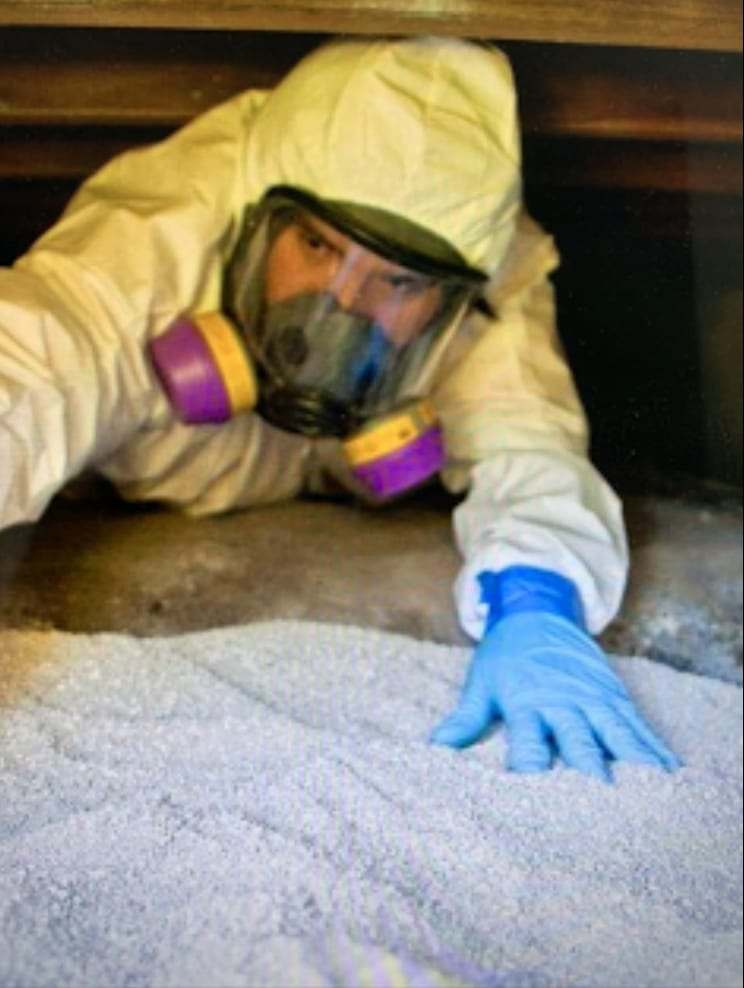
Cannabis smoke contains sticky resins and aromatic compounds that settle onto every surface in a room and get pulled into the HVAC system. The odor is distinctive and recognizable to the next occupant or buyer, and like tobacco, it can bleed through paint applied over residue.
Treatment starts with the source: cleaning residue from hard surfaces, addressing fabrics and carpet, treating or replacing HVAC filters and accessible air pathways, sealing surfaces where needed, and, when it fits the job, a controlled chlorine dioxide treatment in the vacant space.
A Denver-area guide to cannabis odor. Before booking, ask whether ozone or fragrance will be used.
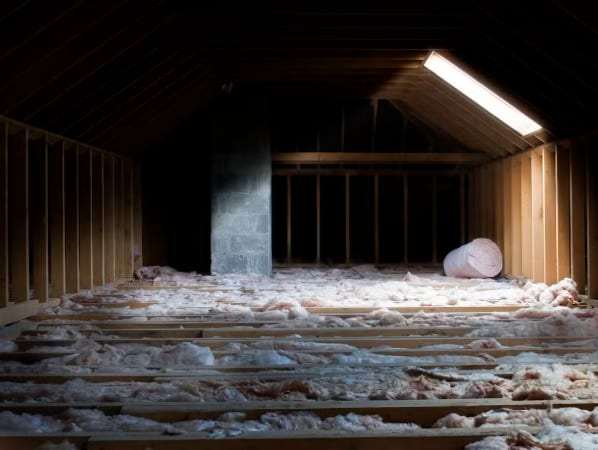
Guides and worked examples on resin film, ventilation and rental turnovers.
Wall and ceiling surfaces, especially in the room where smoking occurred.
Carpet, drapes, upholstered furniture, and mattresses.
HVAC filters, returns, and ductwork.
Closets and cabinets where air doesn't circulate.
Former home-grow areas, which can also have humidity-related issues.
Cannabis smoke carries resin and oils that leave a sticky film. It's usually less visible than tobacco staining, which is why people underestimate it. These are the places that hold the most:
Smoke rises; resin film is often heaviest overhead.
The air system pulls smoke in and spreads it to every room.
Fabric and foam absorb and slowly re-release odor.
Enclosed spaces trap odor and stay stale.
Blinds and curtains sit in the airflow and collect film.
Residue sits on the surface and cleans off.
A landlord finds strong cannabis odor in a one-bedroom unit, including inside the closets and the air handler.
New owners close on a house and discover cannabis odor in the basement once the sellers' belongings are gone.
A business leasing a former tenant's suite needs lingering cannabis odor removed before opening.
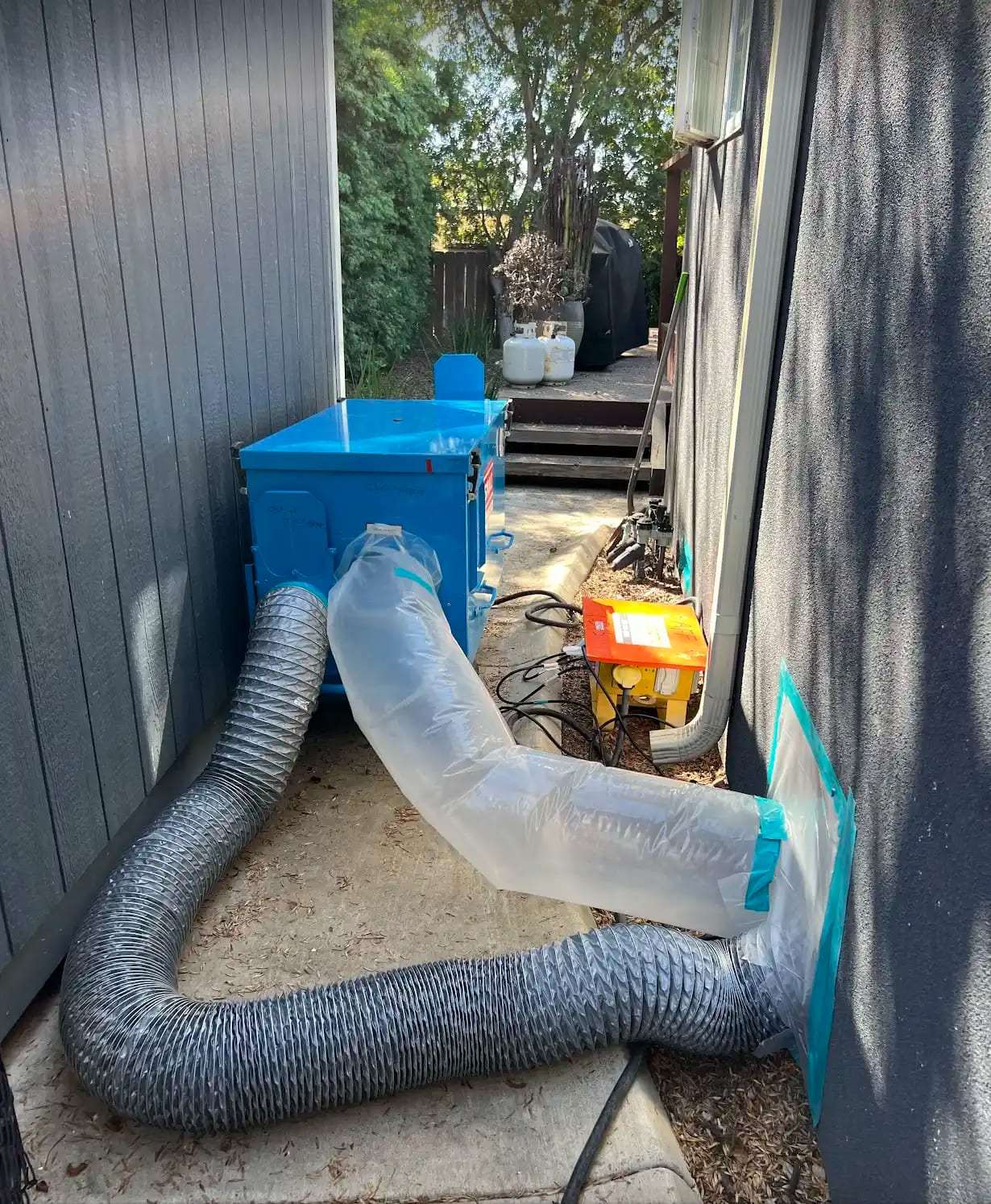
Colorado allows adults to use cannabis, but leases and HOA rules can prohibit smoking indoors. When a unit turns over after indoor smoking, the odor is a make-ready item like any other. In multifamily buildings, smoke can also migrate between units, so a good assessment checks whether the source is in the unit or next door.
A defined scope, explained before work begins.
Heavy, long-term smoking in a small space can leave odor in materials that are cheaper to replace than to treat. Carpet pad, blinds and some upholstery are the usual examples. A trustworthy provider says so at the assessment, before treatment is booked, not afterward.
Discuss where odor is strongest, how long smoking occurred, and what's been tried.
Identify affected surfaces, fabrics, and air system components.
Explain what will be treated or removed and what can affect results.
Clean and treat sources, seal where needed, and perform a controlled whole-space treatment if appropriate.
Explain ventilation and re-entry, and when painting can proceed.
ZIP codes served: 80203 (Denver), 80218 (Denver), 80202 (Denver), 80205 (Denver), 80206 (Denver), 80204 (Denver), 80209 (Denver), 80211 (Denver), 80223 (Denver), 80216 (Denver), 80220 (Denver), 80246 (Denver), 80207 (Denver), 80212 (Denver), 80219 (Denver), 80214 (Denver), 80210 (Denver), 80230 (Denver), 80224 (Denver), 80221 (Denver), 80222 (Denver), 80266 (Denver), 80226 (Denver), 80238 (Denver), 80247 (Denver), 80010 (Aurora), 80232 (Denver), 80110 (Englewood), 80113 (Englewood), 80236 (Denver), 80033 (Wheat Ridge), 80030 (Westminster), 80231 (Denver), 80215 (Denver), 80003 (Arvada), 80002 (Arvada), 80045 (Aurora), 80227 (Denver), 80229 (Denver), 80237 (Denver), 80012 (Aurora), 80235 (Denver), 80239 (Denver), 80260 (Denver), 80004 (Arvada), 80014 (Aurora), 80123 (Littleton), 80249 (Denver).
Also nearby: 80121, 80031, 80120, 80111, 80011, 80228, 80005, 80122, 80233, 80017, 80419, 80640, 80234, 80021, 80015, 80013, 80112, 80241, 80128, 80129, 80401, 80022, 80126, 80020, 80007, 80453, 80465, 80130, 80124, 80454, 80018, 80019, 80602, 80023, 80016, 80127, 80457, 80125, 80601, 80131, 80403, 80026, 80134, 80137, 80108, 80516.
Colorado legalized recreational cannabis in 2012, and retail sales began in 2014. Because public consumption isn't allowed, most use happens in private residences, which is why cannabis odor has become one of the most common issues landlords, buyers, and building owners encounter at turnover or sale.
Lingering cannabis odor turns up across the metro area in homes, rental units, and commercial spaces. Odor from licensed cannabis businesses is regulated separately by the City and County of Denver; this guide focuses on residual odor in properties.
This form is not connected. This website is a draft preview: no business has been confirmed to receive requests, so the fields below are switched off and nothing can be sent. In an emergency, call 911.